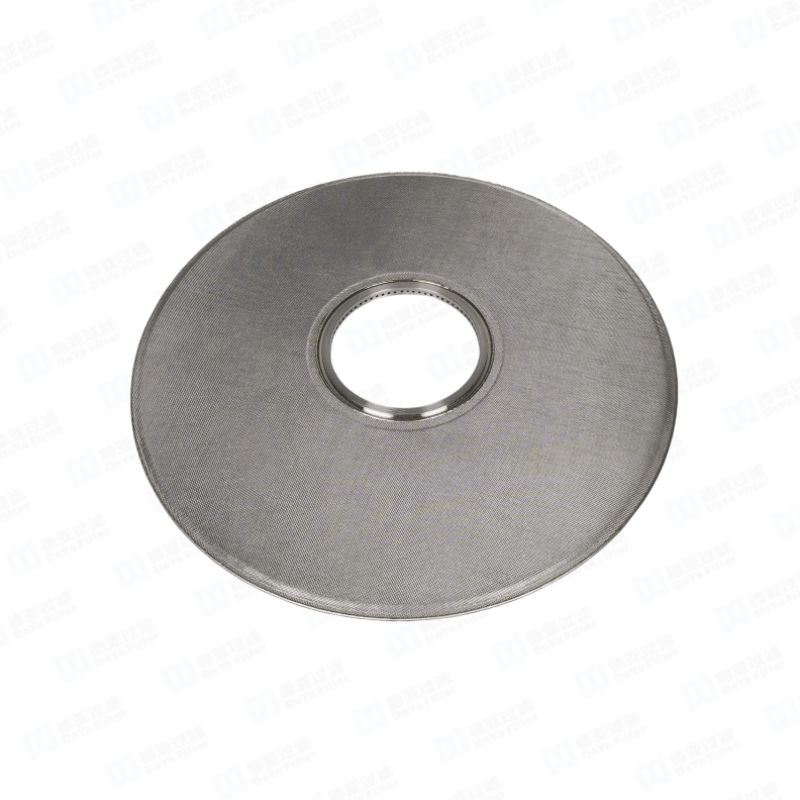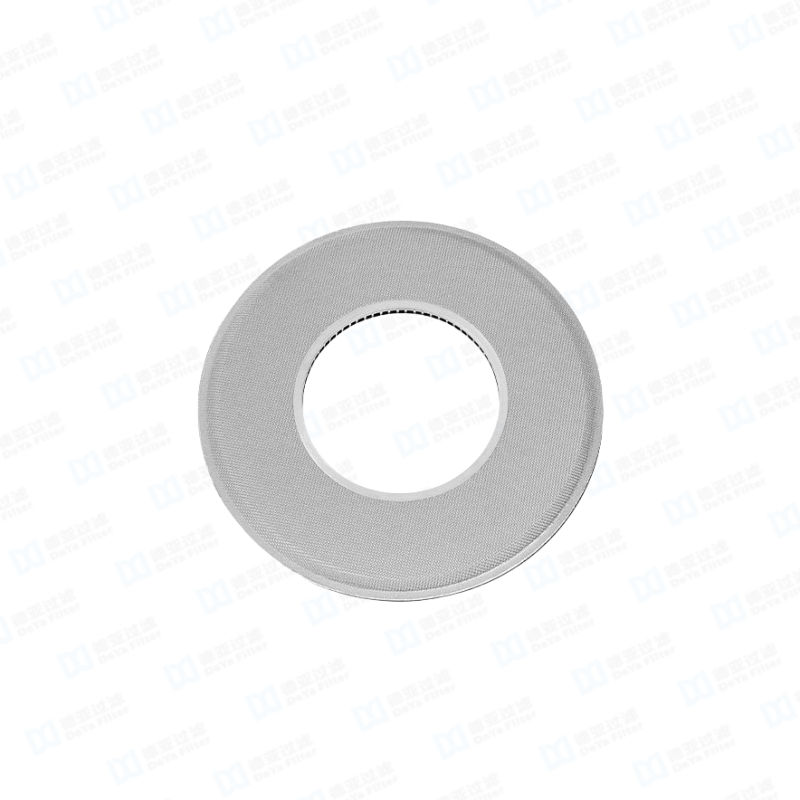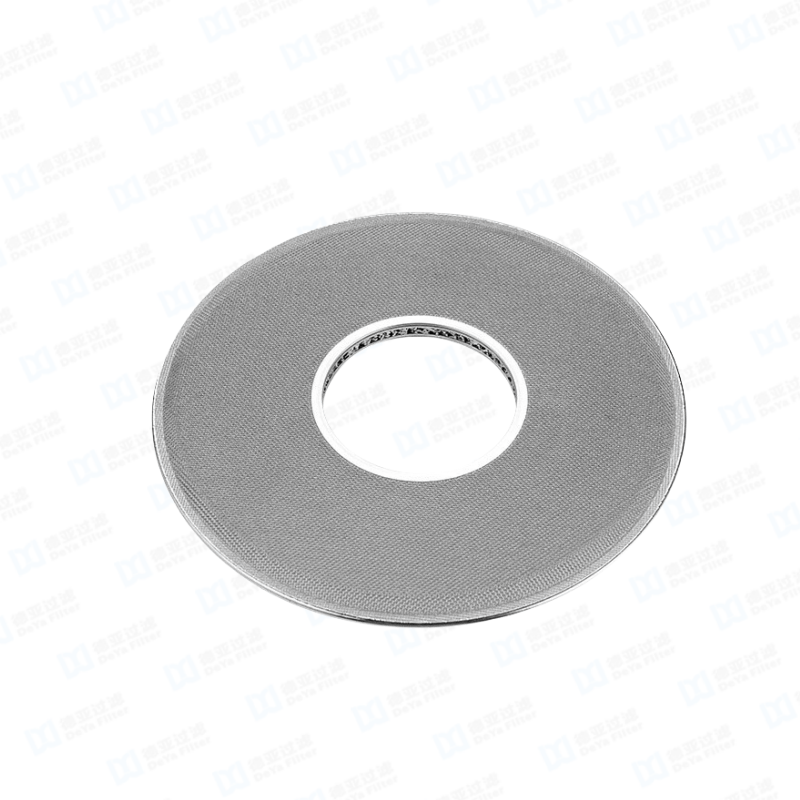
Stainless Steel Sintered Discs
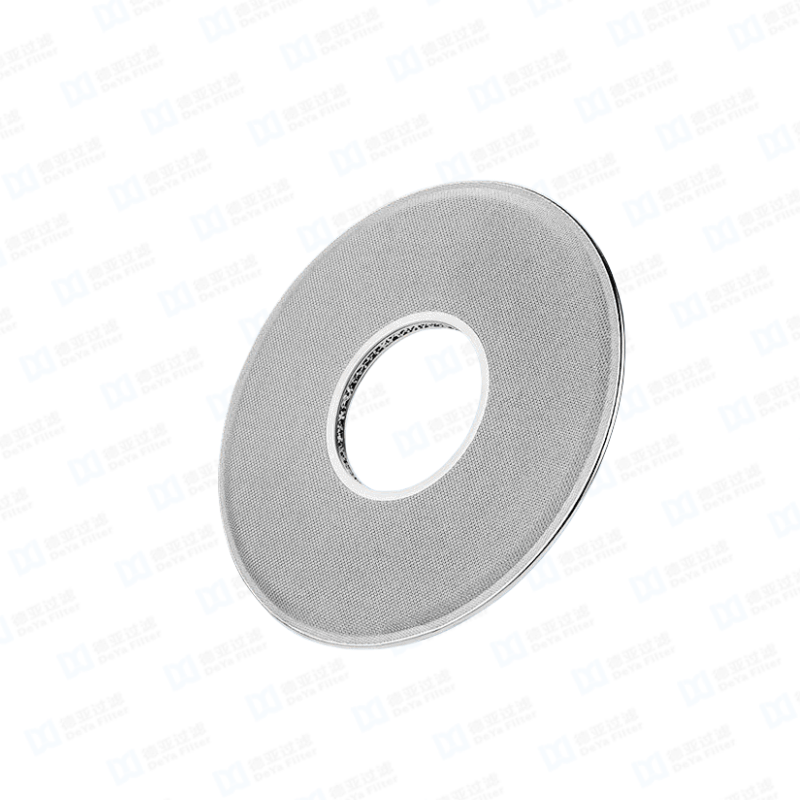
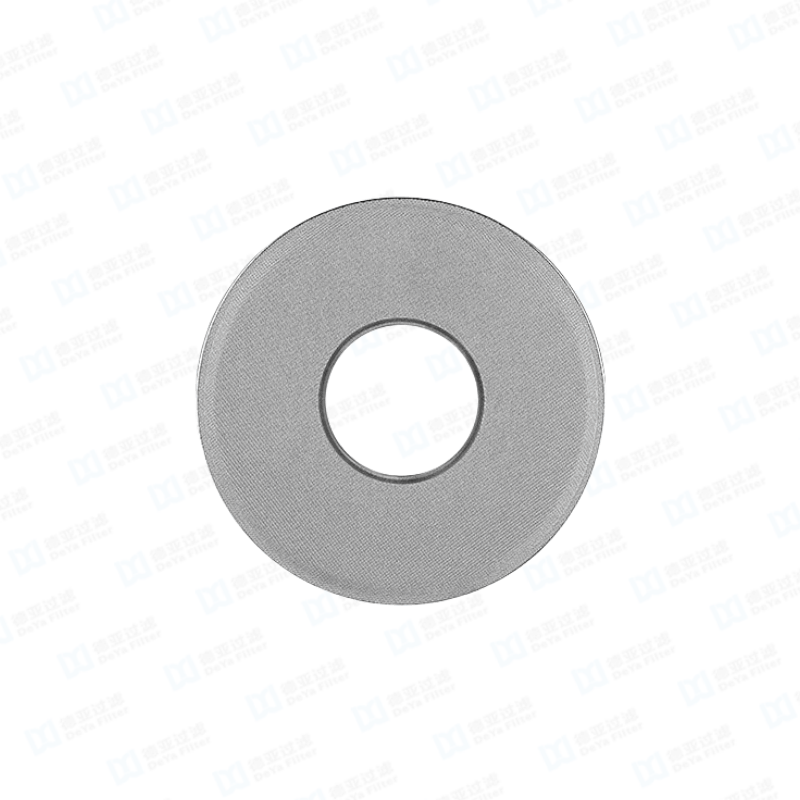
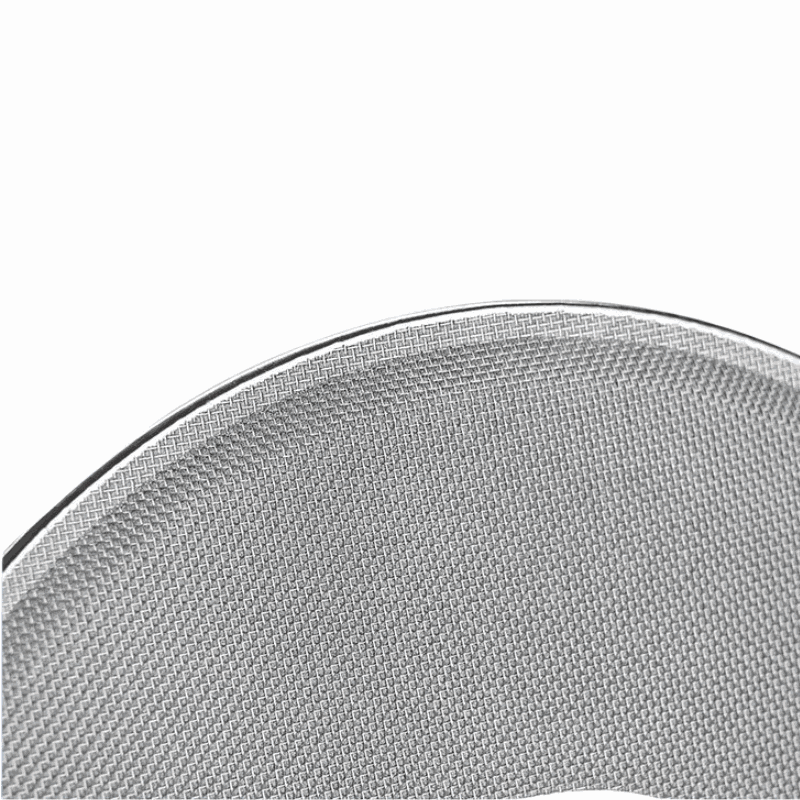
Product Overview:
Stainless steel sintered discs are integral porous filter components formed by high-temperature sintering of stainless steel powder. With stable pore structure and great mechanical strength, they serve long-term filtration work.
Core Technical Parameters:
Unique Performance Advantages:
1. **Anti-pore displacement stability:** The micropores will not deform or shift under long-term fluid scouring, avoiding a decrease in filtration efficiency. This solves the common problems of mesh loosening and failure in multi-layer sintered filter screens.
2. **Anti-sticky particle clogging:** The tortuous internal pore structure effectively traps fine sticky impurities while maintaining a stable flow rate, making it suitable for filtering high-viscosity fluids.
3. **Multiple regeneration methods:** Supports forward and reverse high-pressure cleaning, heat baking, and ultrasonic deep cleaning, with a regeneration efficiency of over 92% and a service life 3-5 times that of woven filter discs.
4. **Bio-inert:** No metal ion precipitation occurs in neutral and weakly corrosive media; compatible with organic solvents, edible oils, and aqueous solutions.
Target Application Scenarios:
It is widely used in medium-precision solid-liquid and gas-solid separation applications (excluding ultra-sterile pharmaceutical manufacturing). Typical applications include impurity removal from fine chemical raw materials, dewaxing and clarification of edible oils, oil-water separation of compressed air, homogenization of laboratory gases, filtration of electroplating solutions, and purification of impurities in new energy electrolytes. Furthermore, it can also be used as a bottom support filter tray for membrane filter elements.